Cicerenella (traditional, 18th century)
Traditional · 3:30
An eighteenth-century tarantella about a girl and the "rooster" she rides all night, sung across southern Italy by people who know what a rooster is.
Plays from youtube-nocookie.com after you click


Our ranking
Is it any good?
Anonymous. One vote per song, and you see the result after you vote.
What the title means
Cicerenella is the girl's name. The verses are a parade of her barnyard possessions, and the "rooster" she rides all night is the oldest phallic pun in the Neapolitan repertoire and still the most reliable.
What the song is actually about
Nobody wrote Cicerenella; it is a tarantella from Naples with castanets and tambourines, old enough that the encyclopaedias date it to the eighteenth century and spread wide enough that Abruzzo, Molise, Lazio and the Marche all claim versions. The lyric is a list of what Cicerenella has, a "rooster", a little donkey, a cat, each with a verse, and the rooster's verse is the one that gets the biggest laugh at every village festa, usually from the grandmothers.
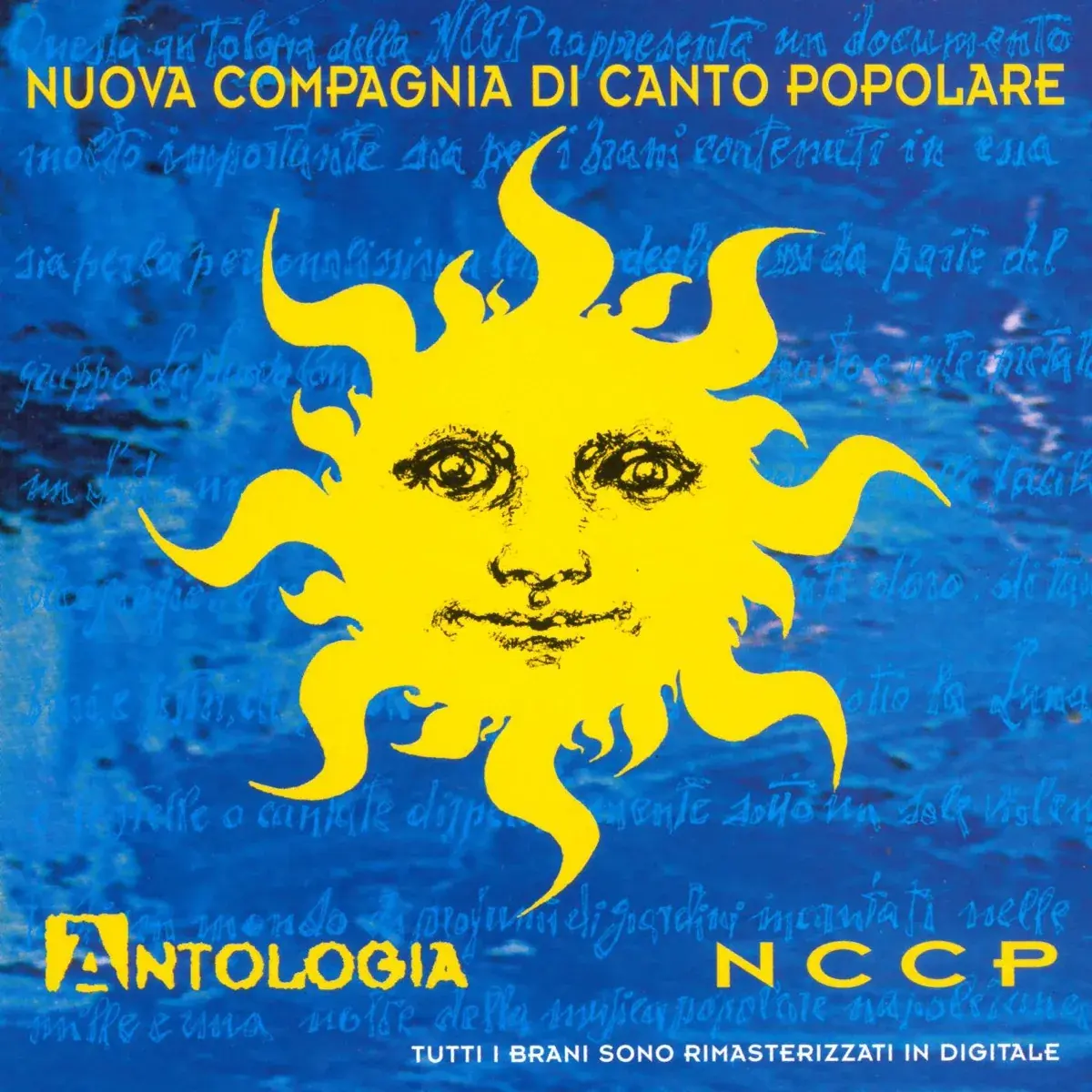
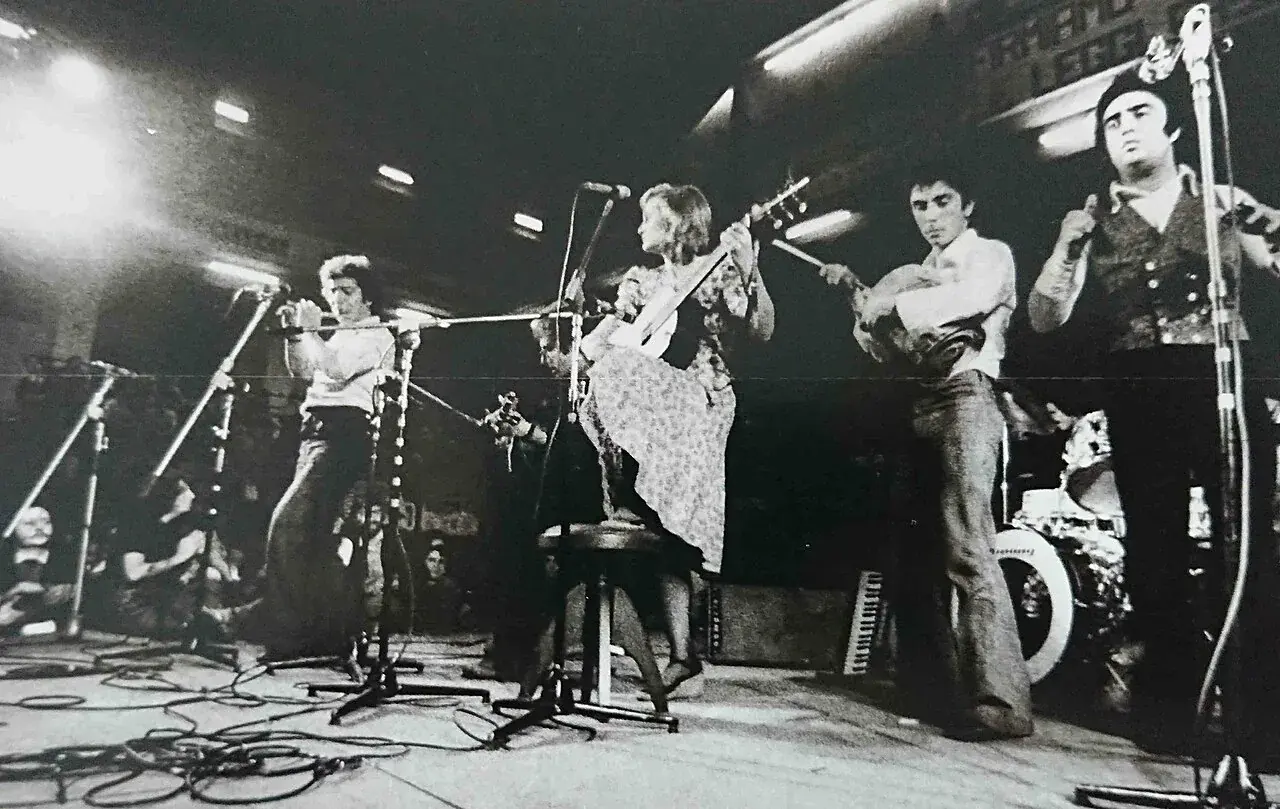
Roberto Murolo recorded it in 1963 and the Nuova Compagnia di Canto Popolare in 1972, which is how it reached the record-buying public, and the NCCP version is the one most Italians know. The written sources describe a children's dance song. The oral tradition is explicit about it, which is the usual arrangement with folk songs and the reason this entry is labelled interpreted.
Its afterlife is that it has none, in the sense that it never went away: it is still danced, still taught, still sung at weddings and saints' days, and still the first dirty joke many southern Italian children learn without knowing it. On a list that reaches back to 1935 for its blues, this is the entry that reaches back two more centuries for the same joke, and the rooster has outlived every censor since.
The line
“Cicerenella teneva nu gallo”Covers and versions
- Roberto Murolo (1963)
- Nuova Compagnia di Canto Popolare (1972)
Asked
- What is Cicerenella about?
- A girl and her animals, in a Neapolitan tarantella whose rooster verse is a long-standing phallic joke.
- Who recorded Cicerenella?
- Roberto Murolo in 1963 and the Nuova Compagnia di Canto Popolare in 1972, among many.
- How old is Cicerenella?
- The encyclopaedias date it to the eighteenth century, with no known author.
- How do we know it's about a dick?
- Interpreted. The encyclopaedias describe a traditional tarantella and do not discuss the double meaning; the rooster reading is the tradition's own.it.wikipedia.org ↗
Related songs
- Big Ten Inch RecordBull Moose Jackson · 1952
- Please Warm My WeinerBo Carter · 1935
- Big Long Slidin' ThingDinah Washington · 1954
- KobraDonatella Rettore · 1980
- Gelato al cioccolatoPupo · 1979
- John Holmes (una vita per il cinema)Elio e le Storie Tese · 1989